1. Introduction to PP Woven Bags


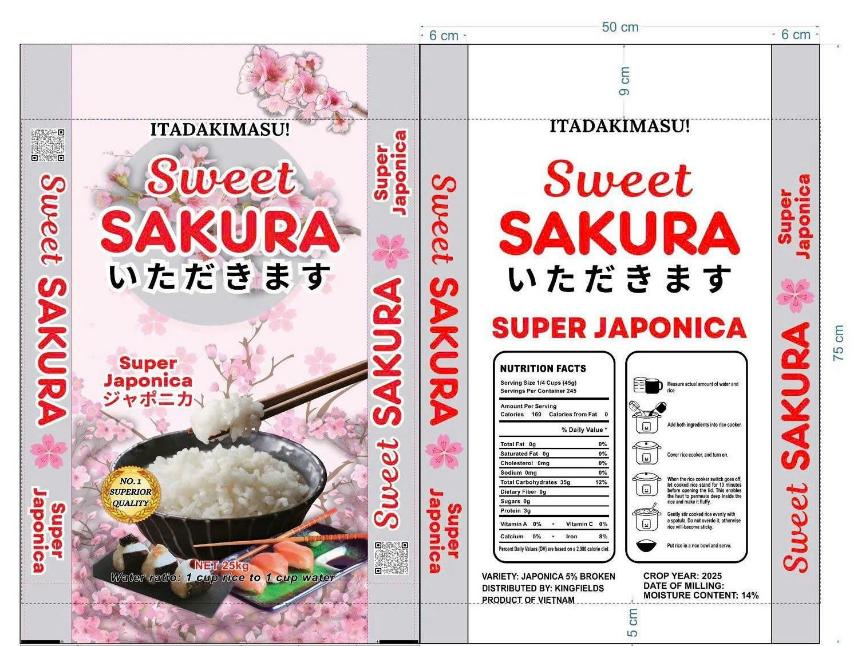
PP woven bags — also known as polypropylene woven bags — are among the most widely used and versatile packaging solutions in the world. From agricultural products like rice and fertilizer to industrial goods, animal feed, sand, sugar, and flour, PP woven bags offer strength, cost-effectiveness, and excellent durability.
As global trade and logistics continue to grow, the demand for safe, sustainable, and affordable packaging materials increases. This is why PP woven bags have become the preferred choice for many businesses across industries.
In this comprehensive guide, we will explore everything about PP woven bags: what they are, how they’re made, their advantages, common applications, customization options, export markets, and how businesses can benefit from choosing this packaging solution.
2. What Are PP Woven Bags?
PP woven bags are made from polypropylene — a type of thermoplastic polymer produced through the polymerization of propylene gas. The term “woven” refers to the way the PP strips (also called tapes) are woven together in a crisscross pattern, creating a strong, flexible fabric.
2.1 Key Characteristics of PP Woven Bags
-
High strength and durability: The woven structure provides tear resistance and excellent load-bearing capacity.
-
Lightweight: Despite their strength, PP woven bags are very light, which helps reduce transportation costs.
-
Cost-effective: PP material is affordable, making the bags a budget-friendly option for packaging.
-
Moisture resistant: They can be laminated or coated to protect the contents from moisture.
-
Recyclable: PP is an environmentally friendly material compared to many other plastics.
2.2 Common Types of PP Woven Bags
-
Uncoated PP woven bags: Ideal for products that don’t require moisture protection, such as grains or sand.
-
Laminated PP woven bags: Have an additional film layer to make them moisture-resistant.
-
PP woven bags with liners: Include an inner liner for extra protection against moisture and contamination.
-
Block bottom bags: Have a square base that allows them to stand upright, providing a more attractive appearance and better stacking.
-
BOPP laminated bags: Printed with high-quality graphics for brand promotion and retail products.
3. How PP Woven Bags Are Manufactured
The production of PP woven bags involves several key steps that combine advanced technology with precision quality control.
3.1 Extrusion
Polypropylene granules are melted and extruded through a flat die to produce thin tapes. These tapes are then stretched to improve their strength and elasticity.
3.2 Weaving
The tapes are woven into fabric using circular or flat weaving machines. The woven fabric is strong and flexible, forming the foundation of the bag.
3.3 Lamination (Optional)
For laminated bags, a layer of PP film or BOPP film is added to make the surface moisture-proof and printable.
3.4 Cutting and Printing
The fabric rolls are cut into bag-sized pieces. Printing is done using flexographic or gravure printing, depending on the design requirements.
3.5 Sewing
The cut pieces are stitched at the bottom and sometimes at the top (depending on the bag type). Some bags may also be heat sealed.
3.6 Quality Control
Every batch goes through inspection to ensure proper weight, strength, size accuracy, and printing quality.
4. Advantages of Using PP Woven Bags
PP woven bags offer multiple benefits that make them ideal for packaging across many industries.
4.1 Cost Efficiency
-
Low material cost compared to other packaging solutions.
-
Lightweight, helping reduce shipping and handling costs.
-
Long service life due to high durability.
4.2 Strength and Protection
-
High tensile strength makes them resistant to tears and punctures.
-
Protection against moisture, insects, and contamination when laminated or lined.
4.3 Versatility
-
Can be customized in size, design, color, printing, and finish.
-
Suitable for various types of goods: powder, granules, liquids (with liner), and solid products.
4.4 Environmental Friendliness
-
100% recyclable and reusable.
-
Lower carbon footprint compared to many other plastic packaging materials.
4.5 Marketing Opportunity
-
High-quality BOPP printing allows for vibrant, attractive packaging.
-
Custom branding helps companies promote their products effectively.
5. Applications of PP Woven Bags in Different Industries
PP woven bags are used globally in almost every sector that involves bulk packaging. Here are some common industries:
5.1 Agriculture
-
Rice, maize, wheat, beans, coffee, fertilizer, seeds.
-
PP woven bags are ideal for protecting products from moisture and pests.
5.2 Construction
-
Sand, gravel, cement, and other building materials.
-
Heavy-duty woven bags make handling and transportation easier.
5.3 Food Industry
-
Sugar, flour, salt, spices, animal feed.
-
BOPP laminated bags are used for premium retail packaging.
5.4 Chemicals & Minerals
-
PP woven bags are resistant to most chemicals, making them ideal for storing fertilizers, resins, minerals, and other industrial products.
5.5 Retail and Promotional
-
Shopping bags, gift bags, advertising bags.
-
PP woven bags can be printed with high-quality images, logos, and branding.
6. PP Woven Bag Specifications and Customization
Every industry has unique packaging needs. PP woven bags can be tailored to match exact specifications.
6.1 Standard Specifications
-
Material: 100% virgin polypropylene
-
Weight: 50 GSM to 150 GSM
-
Width: 30 cm to 120 cm (customizable)
-
Length: As per requirement
-
Lamination: 12–30 microns (optional)
-
Printing: Up to 8 colors
-
Load capacity: 5 kg to 50 kg or more
6.2 Common Customization Options
-
Size & shape: Regular or block bottom.
-
Printing: Flexo or BOPP printing.
-
Color: White, transparent, or custom color.
-
Handle: Optional handle for easy carrying.
-
Liner: PE liner for moisture-sensitive products.
-
Gusset: Side gusset or no gusset depending on stacking needs.
7. Global Market for PP Woven Bags
PP woven bags are used in every region of the world. The demand continues to rise because they combine low cost with durability and versatility.
7.1 Major Importing Regions
-
Asia: Vietnam, China, India, Indonesia, and Thailand are major producers and exporters.
-
Europe: High demand for agricultural and industrial packaging.
-
Africa: Growing market for rice, sugar, flour, and fertilizer bags.
-
Middle East: Uses for chemicals, grains, and construction.
7.2 Export Opportunities
For manufacturers and suppliers, exporting PP woven bags offers a huge business potential. Competitive pricing, reliable quality, and consistent supply are key to success in this market.
8. Environmental Impact and Sustainability
With global attention turning to sustainable packaging, PP woven bags offer a practical solution:
8.1 Reusability
Unlike many single-use plastics, PP woven bags can be reused multiple times, reducing waste.
8.2 Recyclability
PP material is 100% recyclable. At the end of its life cycle, the bag can be processed into pellets for new products.
8.3 Lower Carbon Footprint
Manufacturing PP woven bags consumes less energy compared to other packaging types.
8.4 Eco-Friendly Innovations
Many manufacturers now use recycled PP material, biodegradable coatings, or water-based inks to reduce environmental impact further.
9. Quality Standards and Certifications
For international trade, quality assurance is crucial. Many customers require specific certifications before purchasing in bulk.
9.1 Common Quality Certifications
-
ISO 9001: Quality Management System
-
SGS Testing Reports
-
Reach & RoHS Compliance
-
Food-grade certification (for edible products)
9.2 Testing Parameters
-
Weight and tensile strength
-
Lamination adhesion
-
Size accuracy
-
Printing quality and colorfastness
10. How to Choose a Reliable PP Woven Bag Supplier
Whether you are a wholesaler, distributor, or end user, choosing the right supplier determines your product quality and delivery reliability.
10.1 Key Points to Consider
-
Production capacity: Ensure the supplier can meet your volume needs.
-
Experience: Long-term manufacturers usually offer more consistent quality.
-
Quality control: Check their testing procedures and certifications.
-
Customization ability: Evaluate how flexible they are with designs and specifications.
-
Export experience: A supplier experienced in international trade will handle shipping, documentation, and packaging more professionally.
11. PP Woven Bags vs. Other Packaging Solutions
| Feature | PP Woven Bags | Paper Bags | Jute Bags | Plastic Film Bags |
|---|---|---|---|---|
| Strength | High | Low–Medium | High | Low |
| Moisture Resistance | High (with lamination) | Low | Medium | High |
| Cost | Low | Medium | High | Low |
| Reusability | Yes | Limited | Yes | Limited |
| Printing Quality | Excellent (BOPP) | Good | Limited | Average |
| Eco-Friendliness | Recyclable | Biodegradable | Biodegradable | Low |